

Small Changes That Make a Big Difference
- Feb 6, 2023
- 4 min read

Our bodies were not meant to live in the fast-paced, stressful world we live in. This is why so many people (including me) are affected by health issues; our bodies just can't keep up. It's important to make small changes in our daily routines to incorporate healthy habits. Implementing small changes creates healthy habits that can create big, beneficial changes to your overall wellness and energy levels.
Dietary Changes:
Your body requires certain nutrients to keep up with life. It requires enzymes, vitamins, and minerals to ensure that the energy production and the daily rebuilding process is done properly.
- Vitamin/Mineral Supplement: Begin by adding a good multi-vitamin/multi-mineral supplement to your daily diet.
- Antioxidants: Add antioxidant supplement such as A, E, C, or selenium.
- Oils: Use a mixture of olive oil, balsamic vinegar, and fresh or dried herbs as salad dressing. For cooking and baking, use olive oil, coconut oil, or avocado oil. Polyunsaturated fats like canola and soybean oil are commonly used today (especially in restaurants), they oxidize at a lower temperature – which means that they throw off free radicals at body temperature, which cause cellular damage and accelerate aging.

- Vegetables: If you aren’t already, add at least two servings of vegetables per day. There are LOTS of dark leafy greens, yellow, orange, and dark red veggies to choose from. This will add important enzymes, phytonutrients, minerals, and fiber to your diet. An easy way to do this is to have one large salad every day; it can be as simple or complex as you'd like. Start with a head of romaine, add a diced tomato, and a carrot; stop there and enjoy, or keep adding to suit your tastes and appetite. Don’t forget to use an olive oil based dressing! A squeeze of lemon goes nicely with this; the combination of olive oil and lemon helps balance liver enzyme function, as well.
- Eggs: Protein is vital to cellular regeneration. Although carbohydrates can give you energy, and in the long run your body can use vegetable proteins, only eggs contain all nine essential amino acids. Unless you are allergic, add one or two eggs to your menu every day. You can even hard boil and chop it over that salad.
- Yogurt: In addition to the protein it adds, yogurt also contains calcium and important digestive enzymes. It’s inexpensive, it tastes good, and it’s good for you – what more can you ask for? Full fat yogurt is preferable, since the low-fat kind is usually filled with food starch for texture and adds empty calories. Avoid the kind with lots of added sugar if you can, since sugar has little to no real long-term nutritional value.
Hydration:

Your body requires adequate water to move nutrients and enzymes throughout the body. The rule of thumb is to drink at least half your weight in ounces. So, if you weigh 150 pounds, you should drink at least 75 ounces of water per day. But, don't think you have to drink only plain tap water, there are tons of ways to liven it up. Adding electrolytes will drastically help. Or you can: infuse berries in flat or sparkling water, squeeze in some lemon, lime, or orange juice, add sliced cucumber, try different herbs like mint or basil. And remember, hot or cold herbal teas count toward your daily water goals, too.
Sleep:
Although it can be difficult, adequate sleep is one of the most important things you can do for yourself. Your body spends most of your sleeping hours regenerating itself, rebuilding cells, and balancing hormone levels and brain chemicals. Adequate sleep will not only help you look refreshed, it will help you feel good. The neurochemicals that control mood and pain levels are produced during sleep, which is why so many chronic pain patients are found to have an underlying sleep conditions.
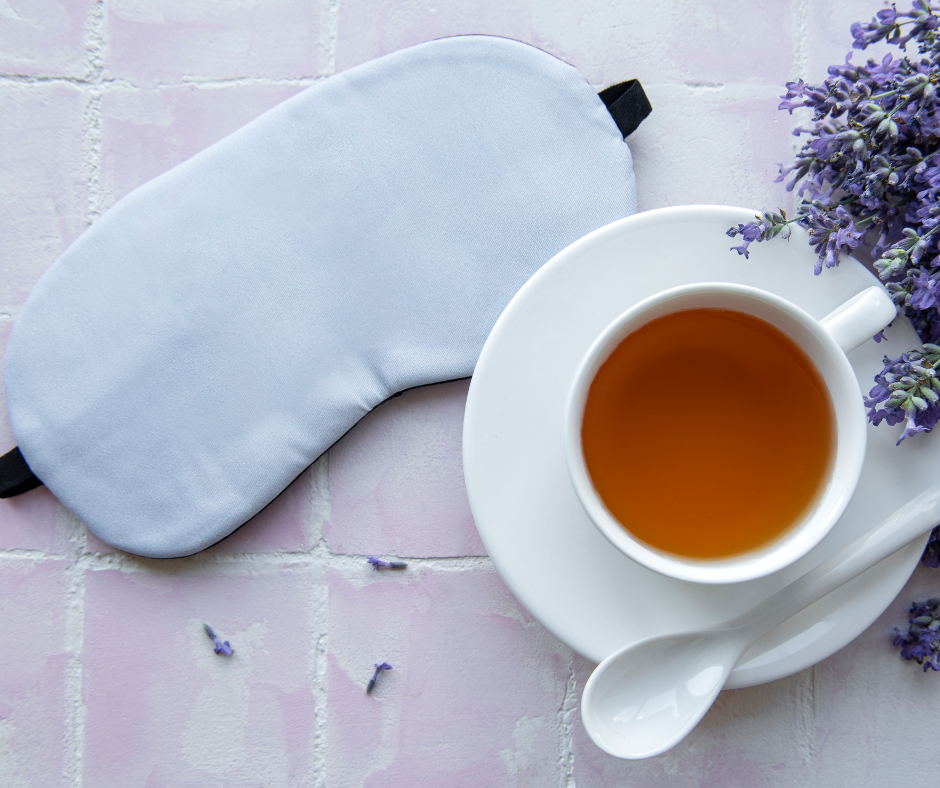
- Night: Creating a bedtime ritual is a helpful way to get your body and mind ready for sleep; turn down the lights (use soft lamps instead of overhead lights), have a mug of hot herbal tea, spray lavender mist on your pillow, wash your face, and set out workout clothes for the morning. Setting the total amount of sleep to coincide with the natural 90 minutes per sleep cycle is best. Most experts claim seven to nine hours of sleep per night is required. This would mean either 7.5 or 9 hours of sleep per night. Five cycles would mean 7.5 hours, six cycles would be nine hours of sleep. Try experimenting with setting your clock for either 7.5 OR 9 hours, depending on your schedule, so that you can complete each and every sleep cycle naturally.
- Day: Make a habit of napping. Current studies show a natural rise and fall of hormones that indicate a programmed “nap” time in the afternoon. That famous mid-afternoon slump isn’t just lack of sleep at night, a heavy lunch, or stress – it’s your instincts kicking in and telling you to take some down-time. Instead of sleeping in on Saturday and Sunday, get up at your normal time and then take a nap in the afternoon. It doesn’t need to be long, a simple twenty minute “cat nap” will do just fine! Your body will thank you. And hey, if all you end up doing is resting with your eyes closed and clearing your mind, that’ll help too.

=====
DISCLAIMER:
This information is not presented by a medical practitioner and is for educational and informational purposes only. The content is not intended to be a substitute for professional medical advice, diagnosis, or treatment. Always seek the advice of your physician or other qualified healthcare provider with any questions you may have regarding a medical condition. Never disregard professional medical advice or delay in seeking it because of something you have read.
=====


Comments